The Little Pour That Says You Belong Here
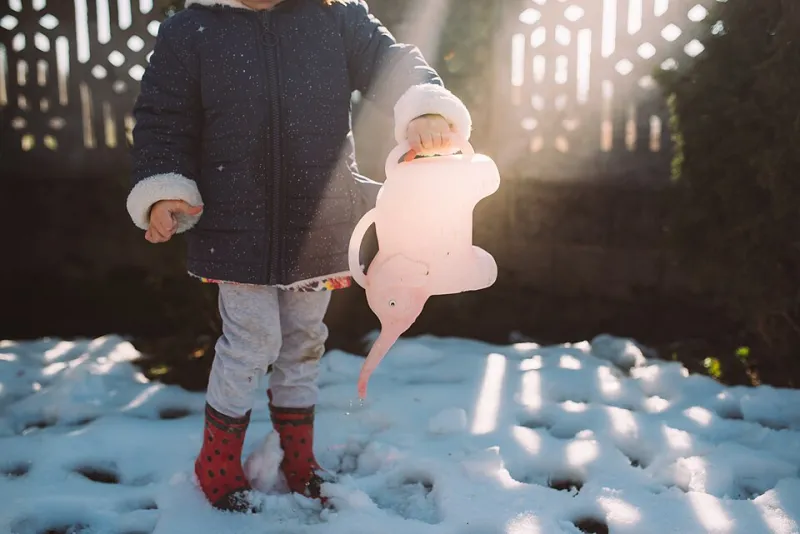
Photo: Shixart1985, CC BY 2.0, via Wikimedia Commons
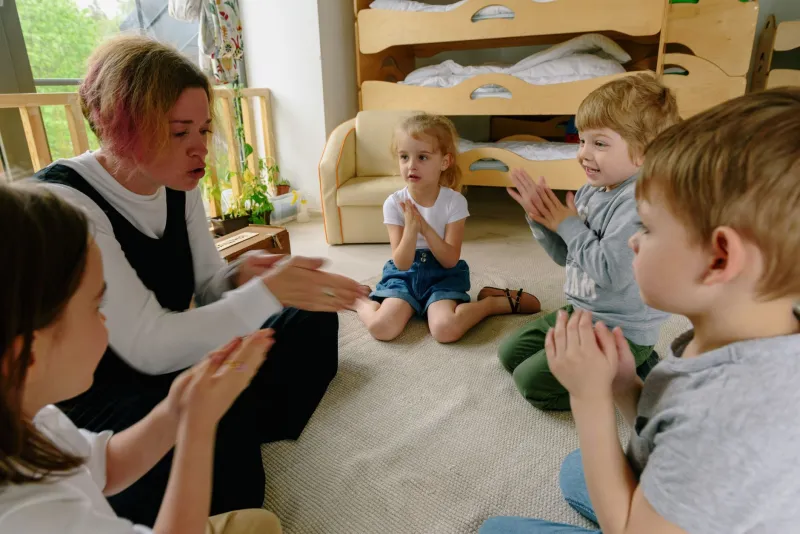
At half past three on a grey November afternoon, the snack table at Little Oaks Montessori is rarely quiet. A child carries a small jug of water with two hands, tongue between teeth, watching the level rise in a friend's cup. Another holds out a plate of apple slices to whoever is nearest. Someone finishes, carries their cup to the washing-up bowl, and returns to the carpet as if they have just completed an important job. They have.
A small routine with a long reach
Self-service snack can look modest from the doorway: a jug, a few cups, a plate of fruit, a cloth. But watch for ten minutes and you see a dense little curriculum. Pouring asks for wrist control, steady breathing and a working sense of how much is enough. Carrying a cup across a room asks for balance and spatial awareness. Lifting a plate towards a friend asks for social timing — noticing who is nearby, reading whether they want anything, waiting for a yes.
None of this arrives because an adult has explained it. It arrives because the routine is repeated. The same jug, the same bowl, the same short walk to the table. Repetition is what turns a tricky physical task into a settled habit, and a settled habit into something a child can do without thinking. That is when the learning moves inwards.
The waiting hands
Waiting is often taught as a rule imposed from outside: sit still, be patient, your turn will come. At the snack table, waiting is built into the shape of the work. There is one jug. There are several cups. The child who wants water can see that someone else is pouring. They can see the pour end. They can see their turn arrive. That is a very different experience from being told to wait by an adult who controls the tap.
It also gives children a reason to watch each other. A child who is waiting is not simply doing nothing; they are learning from the child in front of them. They notice how the jug is held. They notice that the water goes in more easily when the cup is steady. They notice that the pourer is concentrating. By the time their own turn comes, they have already rehearsed it.
And then there is the plate. Offering food to a friend is a small act with a large social weight. It says: I have noticed you. It says: there is enough. It says: you are part of this table. Children do this naturally when the routine makes room for it. They do not need a lesson in kindness; they need a plate within reach and an adult who does not hurry them past the moment.
Washing-up as belonging
Montessori rooms tend to have real jobs, and the washing-up bowl is one of the realest. The cup is not whisked away by an adult the second it is empty. The child carries it to the bowl, places it in the water, and often stays to watch it sink or to wipe the table with a cloth. The job is small, but it is genuine. That matters.
Children can tell the difference between pretend work and work that actually keeps the room going. When they are trusted with the real version, they tend to take it seriously. A child who has carried their own cup to the bowl is not just learning to be tidy. They are learning that the room belongs to them, and that belonging comes with a share of the work.
A calmer version at home
Home is not a nursery room, and it should not try to be. The aim is not an all-day snack bar or a kitchen where anything goes. A calm home version usually works best with a small, defined station and a few clear limits.
- Keep the station small: one jug, two cups, one plate, one cloth.
- Choose a time, not all day. Snack is a job, not a free-for-all.
- Sit down to drink. The table is where the cup lives.
- Let the adult stay nearby without taking over.
- Wipe spills together rather than making a fuss. A spill is information, not a disaster.
- Start with one element. If pouring feels too much, begin with carrying the plate to the sink.
Child-sized tools make a real difference: a small jug that is easy to grip, a cup that is not too heavy, a cloth that is actually absorbent. And it helps to accept that the first few attempts will be slower and wetter than doing it yourself. That is not a failure of the routine. It is the routine working.
Independence is only half the story
The phrase 'help me to do it myself' is often quoted in Montessori settings, and it is a good phrase. But it is only half the picture. The snack table also teaches 'we do this together'. The child learns that they can pour their own water, and that they can pass the plate to someone else. They learn that their hands are capable, and that their hands are also part of a group.
That is why the humble snack table sits so close to the heart of the room. It is not really about crackers or water. It is about a daily, repeatable experience of being trusted, being patient, and being needed. The little pour says: you can do this. The waiting hands say: and so can they. Put together, those two messages make a community.