The Child Who Watches First: Making Room for Quiet Observers
Photo: Galland, William Herbert, 1877- [from old catalog], No restrictions, via Wikimedia Commons
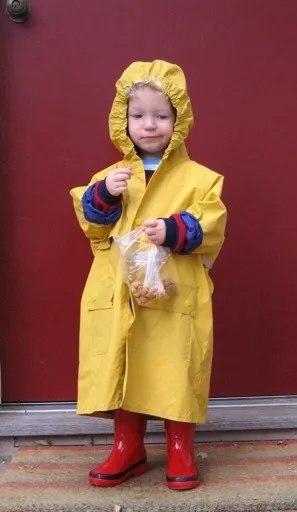
Picture the scene. It is 9.15am, the nursery is full of noise and movement, and your child is standing by the bookcase with one hand on the shelf. A practitioner is playing a counting game on the carpet. Another child is building a tower. Your child watches. You feel a familiar tug: should they be joining in? Are they being left out? Are they shy?
At Little Oaks, we have learned to wait before we answer that question. Not because we want children to be alone, but because some children need to watch before they join. In a busy room, observation is often the first form of participation.
Quiet is not a problem to solve
Shy is a label. Observation is a skill. A child who watches the water tray for five minutes before putting in a hand is gathering information. A child who stands near the home corner before taking a cup is reading the social weather. That is not disengagement. It is a considered approach.
The Montessori approach gives weight to the child's own pace. We prepare the environment, offer an invitation and then allow the child to choose when to step forward. Freedom within limits does not mean leaving a child to fend for themselves. It means staying close without taking over. It means trusting that a thoughtful pause can be part of learning.
What careful observation looks like in a busy room
In a busy early-years room, careful observation is quiet and practical. A practitioner sits at the child's level rather than looming over them. They notice where the child is looking, what they are holding and how their body is positioned. They wait. Then they offer an invitation, not an instruction: the water tray has room for one more, or the blocks are looking for a builder. After that, they step back.
Over days, staff build a picture. Who does the child watch? Which activities do they return to? Do they join when there is a familiar peer, a smaller group or a particular prop? What happens after they join, and how long do they need afterwards? This is part of observing children's characteristics of effective learning in the EYFS: playing and exploring, active learning, and creating and thinking critically. The quiet child is often doing all three.
Why we do not push a child into the circle
Adults often want to fix the awkward moment. We want the child to be included, so we gently steer them towards the group. Sometimes that works. Often it creates a self-consciousness that makes joining harder next time. A child who is pushed into a circle may sit for a minute and then withdraw, not because they dislike the other children, but because they have not had time to prepare.
Instead, we build a bridge. A small role can help: holding the snack bag, fetching the dustpan, choosing the song. A familiar peer can help. A prop can help. We do not leave the child alone, but we do not make joining a performance either. Quiet participation is still participation.
When quiet might need a closer look
Not every quiet child is simply observing. If a child is distressed, is not communicating with familiar adults, seems to be losing skills or you have concerns about their hearing or speech, talk to nursery staff and your health visitor. A setting's special educational needs co-ordinator, often called a SENCO, can help put support in place. This is not about labelling a child. It is about making sure the right help is available.
The distinction matters. A child who watches before joining is using a strategy. A child who is consistently unhappy, withdrawn or unable to communicate may need additional support. Staff should be able to describe what they see without jumping to conclusions.
How to talk with nursery staff about your child's pace
Ask specific questions rather than general ones. What does my child do before they join? Who do they watch? What invitation seems to work? How long do they usually need? What happens after they have joined? Share what you see at home too: she watches from the sofa for ten minutes before joining in, or he likes to hold a car while he settles.
Try to avoid asking, is she shy? It invites a label rather than a description. Ask instead, what have you noticed? If you need a proper conversation, ask for a catch-up rather than a doorstep chat at pick-up. Agree one or two small steps together. The best home-setting partnership is not about agreeing on every detail. It is about sharing the same picture of the child.
What parents can do at home
Try not to apologise for your child's quietness in front of them. Narrate what you see without judgement: you are watching the children before you choose. Offer small-group playdates rather than big, noisy ones. Give your child a job at the edge of the action, such as holding the snack bag or choosing the book. Prepare them for new situations with photos, simple stories and a look at the room before it fills up.
And give them time. The child who watches first is often the child who notices the new arrival, the missing puzzle piece or the change in routine. Our job is not to make them louder. Our job is to make room for the way they learn.